Greater Manchester and the Places for Growth programme
Greater Manchester is rapidly becoming a centre for digital and technology talent across government. It is a key location for the Civil Service’s Places for Growth programme which relocates thousands of roles outside of London.
With strong university links, a growing digital and technology workforce, and major government investment, including a new digital campus, Greater Manchester is a key location for creating opportunities for people to build careers in public service.
I'm a Data Analyst in Digital, Data and Technology based in our Greater Manchester offices, predominantly Trinity Bridge House. I also work as part of a committee to build a strong professional community, and most importantly offer our staff a sense of belonging.
If you’re looking to build a digital career in government outside London, our hub provides plenty of opportunities to grow and connect. Through a range of initiatives, we have made our community’s time in the office valuable and purpose-driven.
Trinity Bridge House
Trinity Bridge House is BIST’s main hub in Greater Manchester. It’s located right next to Salford Central train station, with our other sites positioned close to Manchester Piccadilly. All are within easy walking distance of the city centre. This gives colleagues quick access to Manchester’s shops, cafés and cultural scene, as well as excellent public transport links across the region.
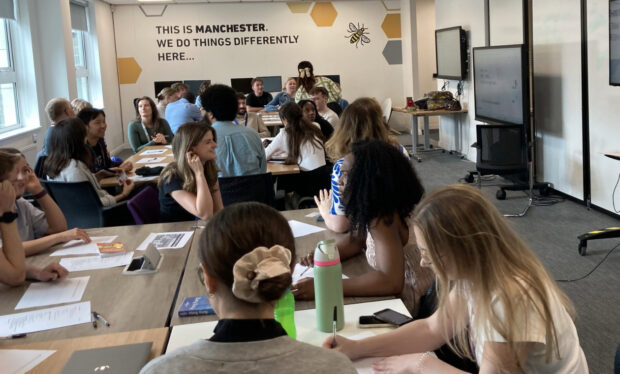
Inside, the office is designed to support flexible, hybrid working. There are a variety of spaces to support both collaborative and focused individual work. Meeting rooms are equipped with high-quality technology for hybrid collaboration.
The building is shared with colleagues from HMRC and DESNZ, alongside dedicated areas for BIST teams. Our Manchester colleagues work across a wide range of roles; from technology and research to policy and logistics, collaborating closely with partners across the UK and internationally, including sector specialists and security experts.
Building a collaborative hub
Our committee built on the department’s commitment to making all offices collaborative and supportive places to work using:
- clear leadership, with a Director General responsible for strategic direction and deputies championing specific locations
- regional support teams that ensure day-to-day operations run smoothly and colleagues feel supported from the start
- inductions designed not just to explain processes, but to help colleagues build networks early and understand the local context
Our approach combined lived experience, experimentation and input from across the community. We tested different ways of building connection, including:
- high-profile events such as visits from senior leaders and ministers (including former permanent secretary Gareth Davies, and Minister Ed Miliband) helped reinforce the value of regional offices
- peer-led learning sessions broadened development beyond traditional training, such as weekly “lunch and learn” sessions on Python, R and SQL
- community-led activities outside of work hours to support cultural awareness, wellbeing and informal professional connection, including Cantonese lessons and museum visits.
- supporting cross-department networks, such as One Team Gov North and Manchester’s Analytical Community for Civil Servants, to build connections with peers, encourage collaboration, and support skill development
- group volunteering, such as school and university outreach, to embed our staff in the local community and engage skilled young people with the opportunities in their region
This mix brought together multiple perspectives to better understand what people value in a workplace.
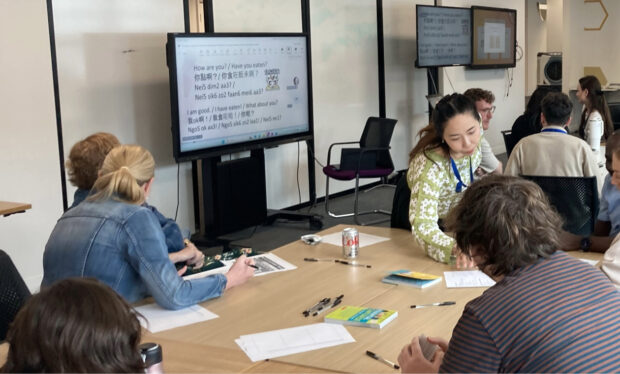
How we create meaningful connections for our Manchester staff
Several clear insights emerged. Some of our findings are supported by research around hybrid working and employee expectations, while others reflect emerging insight from local experience.
Physical presence alone does not create connection
With hybrid and distributed teams, offices need to actively facilitate interaction and design opportunities for connection beyond physical proximity.
Inclusivity is critical to participation
Traditional formats, such as evening socials, unintentionally exclude some colleagues. Offering a wider range of formats significantly increases engagement.
Professional and social value are closely linked
Activities that combine skill development with networking, such as coding sessions or profession-specific meet-ups, are especially effective.
Place matters
Being part of a wider Manchester-based Civil Service community, rather than a single office, helps create a stronger sense of identity and shared purpose.
What this means for our Manchester staff
The Places for Growth initiative has created opportunities for digital professionals across the UK, with many Civil Service roles being available outside of London and reducing the need for people to relocate.
Using our insights we have focused on creating opportunities to build local networks outside of DBT and enable skill and experience sharing in our hubs.
Thanks to our efforts, staff based in our Manchester hub get more than office space and role opportunities. They get:
- experience of collaborating with colleagues across government, building awareness of how government works and opportunities in the wider civil service
- hands-on learning through peer-led sessions that build expertise and increase the benefit of formal learning investment
- access to mentorship and networks that contribute to skill and career development
Wider impact
Making roles available in more places widens the pool of applicants, helping the Civil Service attract and recruit stronger talent. The insights we’ve gained have broader implications for how the Civil Service approaches regional working. They suggest that investment in intentional cultural and community -building leads to greater collaboration and more attractive workplaces, especially outside of London.
This affects how we:
- design offices and shared spaces
- structure events and development opportunities
- support cross-government collaboration
- attract and retain talent, particularly in digital and analytical roles
More widely, it reinforces the idea that both hybrid working and regional distribution are cultural changes, not just logistical changes. Organisations that succeed are those that design environments people actively choose to engage with.
What comes next?
In Greater Manchester, the direction is towards a more connected and consolidated hub model, bringing teams closer together while maintaining flexibility.
There is also continued focus on:
- expanding cross-government networks
- increasing learning and development opportunities
- strengthening links with local universities and industries
- continuing to test and refine inclusive ways of working
This is an ongoing process, with further growth and investment already planned.
Join a community in Manchester
With the rise of hybrid and distributed teams, the role of the office has changed permanently. In Greater Manchester we have shown that by providing more than a desk, we can transform the office from a workplace to a community.
By providing inclusive opportunities to connect, collaborate and learn, we can create places where people do their best work and feel part of something meaningful.
If you’re interested in being part of this journey, consider applying for roles in the Civil Service in Manchester.
Are you based in a regional hub?
How can you make your own team or workplace more intentional, inclusive and connected?
We’d welcome reflections, ideas and challenges.