From database to data-driven decision making
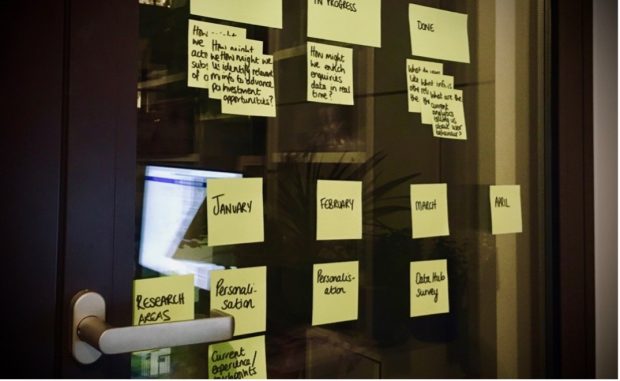
...our live system to build our knowledge of our data, our users and their needs. We can then turn that user data into better product decisions to enable our users...
...our live system to build our knowledge of our data, our users and their needs. We can then turn that user data into better product decisions to enable our users...
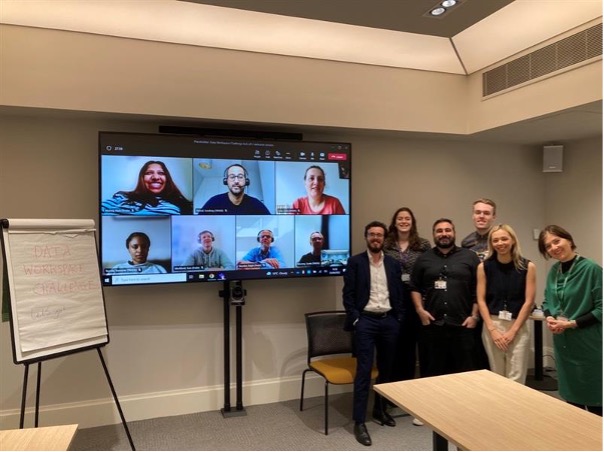
...DIT could use data in new and creative ways to solve or fix problems. We shortlisted the best ideas to be brought to life, with the help of an assigned...

...focusing on essential criteria are critical. The application stage Most applications begin with a CV and personal statement, which are usually used to assess your experience. We use Experience in...
...to learn, attending sessions, and analysing insights - also increases the likelihood of identifying more diverse user problems. Several rounds of user research revealed these themes: users felt they were...

...a website with so much to offer and a wealth of text data, there are many potential opportunities to use AI. While it goes without saying that value to users...

...user groups and gather user feedback. However, when we do this, are we getting the full picture of user needs and whether they are being met? It’s not that our...

...responses.” Introducing Ask DBT The result is an in‑house AI‑powered tool designed to query intranet information in a user‑friendly way. Many people are now used to chat‑style tools in their...
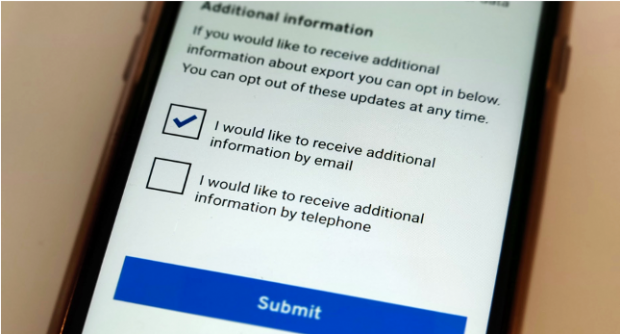
...this means we have the right tools for the job of promoting UK exports, attracting foreign investment and developing trade policy, it’s a real challenge for data protection. Or, at...

...evaluating where and whether our users are experiencing gains in efficiency or productivity when using Redbox. The importance of cross-departmental collaboration At DBT, we understand the importance of collaboration in...

...start to finish), co-design and more exploratory studies. To make this possible, we’re equipping non-user researchers - like product managers, designers, and other delivery team colleagues - to carry out...

Check our latest job opportunities in development, data, user-centred design, product and delivery.